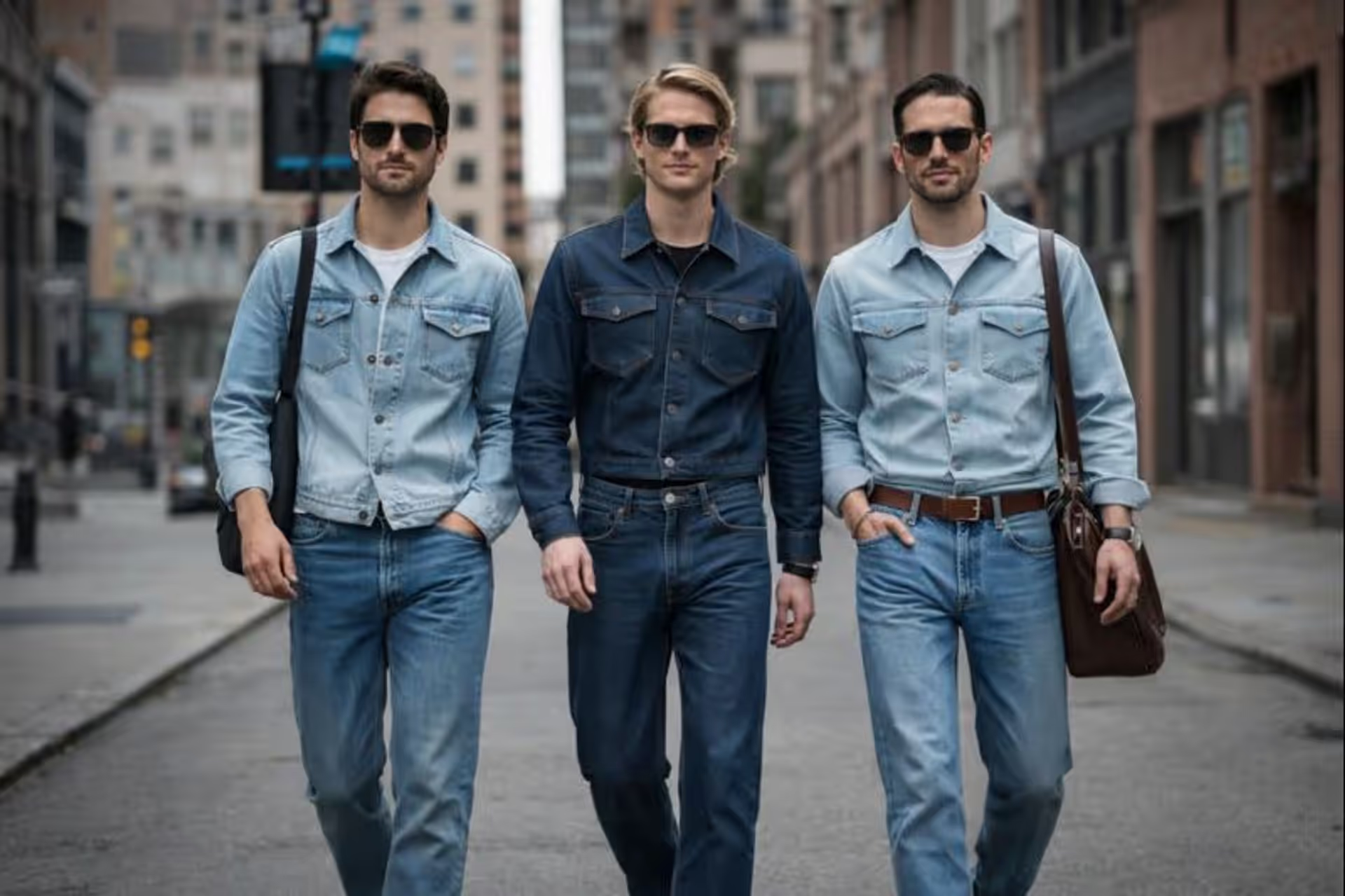
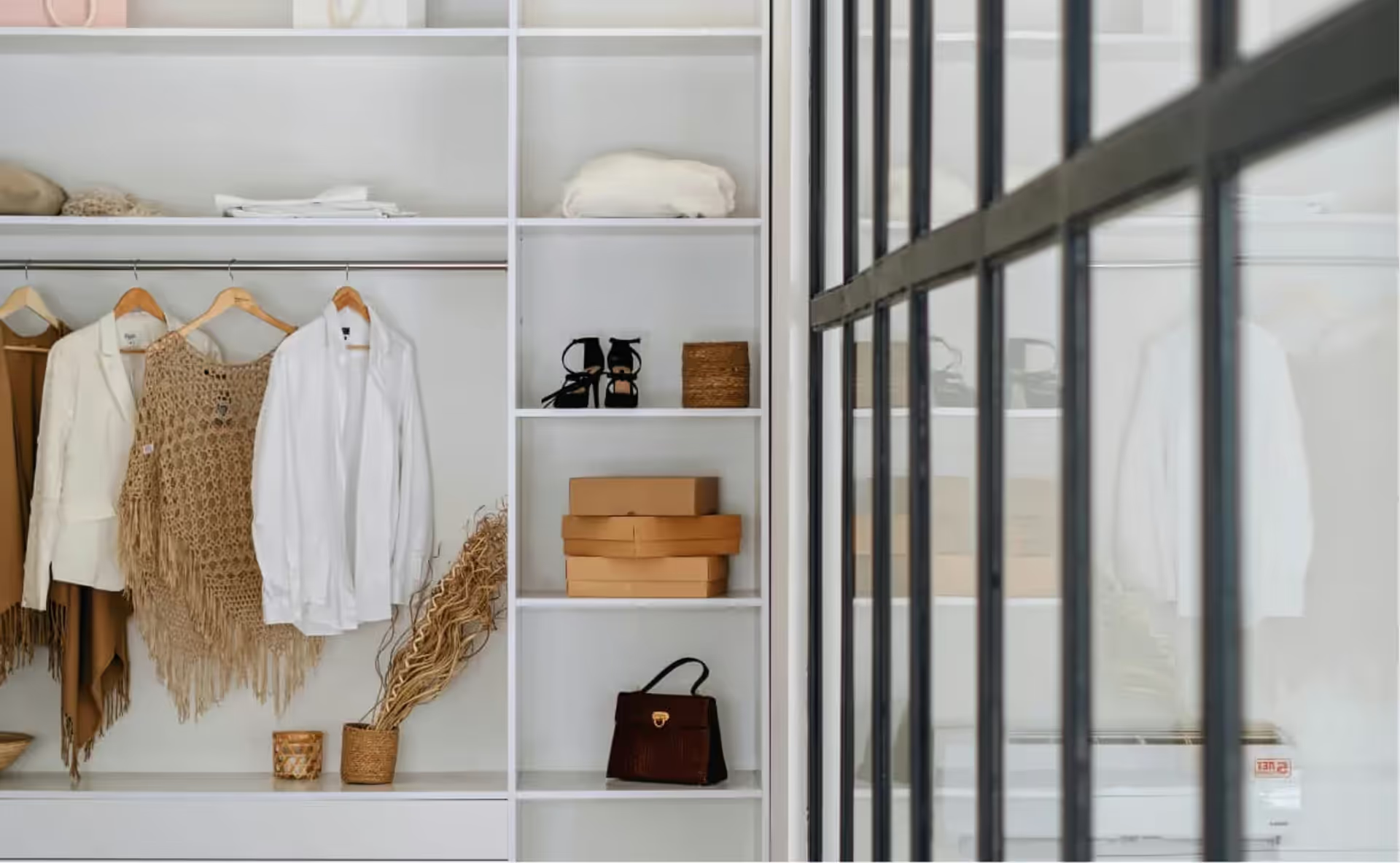
The same basic pieces styled two ways—plain versus elevated—demonstrating how small details transform identical garments into completely different impressions.
How to Upgrade Your Basics: Small Details That Change the Entire Look
Content
Content
The most stylish people you know probably aren't wearing complicated outfits. Look closely at the effortlessly chic—the people who always seem put-together without appearing to try—and you'll find wardrobes built primarily on basics. White t-shirts, well-fitted jeans, simple sweaters, classic button-downs, neutral trousers. The pieces themselves are unremarkable. What distinguishes these wardrobes isn't the clothing but how the clothing is worn: a constellation of small details that individually seem insignificant but collectively transform simple garments into polished outfits.
This transformation doesn't require expensive replacements or wardrobe overhauls. The white t-shirt you already own can look dramatically better tomorrow through adjustments that cost nothing. The jeans you've worn a hundred times can suddenly appear intentional rather than default. The difference between "just threw something on" and "effortlessly stylish" often comes down to details you can implement in seconds: how fabric is tucked, where sleeves hit, which accessories appear, how individual elements relate to each other. These details operate below conscious awareness for most observers—people notice the overall effect without identifying its causes—but understanding them gives you control over impressions you create.
The goal isn't complication or artifice. Elevated basics still read as basics; the elevation is subtle enough that observers register polish rather than effort. You don't want people thinking about your outfit—you want them registering, without conscious analysis, that you look good. This guide breaks down the specific details that create that impression, translating the intuitive knowledge of stylists and naturally stylish people into concrete techniques anyone can apply.
The Tuck: Where It All Begins
No single detail transforms basic outfits more dramatically than the relationship between top and bottom—specifically, how and whether the top is tucked. The tuck creates waist definition, establishes intentionality, and shifts the entire visual impression of an outfit from "getting dressed" to "styling clothes." Understanding tuck variations and when to deploy each gives you a fundamental tool for outfit elevation.
The full tuck—shirt completely tucked into waistband all around—creates the most polished, formal impression. It works best with button-down shirts and blouses, establishing clean lines and a streamlined silhouette. The full tuck requires pants or skirts with waistbands designed to accommodate tucked fabric; attempting it with low-rise bottoms creates bunching and discomfort. For the full tuck to work, the top must be long enough to stay tucked through movement without constant adjustment—a problem that plagues many contemporary tops designed for untucked wear. Keeping a full tuck in place sometimes requires fashion tape or strategic undergarment choices, particularly for silk or slippery fabrics.
The front tuck—tucking only the front center portion while leaving sides and back untucked—has become the dominant casual tuck for good reason. It creates waist definition and intentionality without the formality of a full tuck, works with tops not designed for tucking, and forgives fit imperfections that full tucking reveals. The front tuck works with t-shirts, sweaters, casual button-downs, and blouses across virtually all casual and smart-casual contexts. Executing it well requires attention to proportion: tuck enough to create clean lines at the waist while leaving enough fabric loose to drape naturally. The common mistake is tucking too little—a tiny tuck at the very center looks accidental—or too much, creating asymmetry that reads as sloppy rather than intentional.
The front tuck is probably the single most transformative styling technique that exists. I've taken clients from 'fine' to 'polished' just by teaching them to tuck properly. It takes three seconds and changes everything about how an outfit reads. Yet most people either don't do it at all or do it in ways that undermine the effect.
The half-tuck—one side tucked, one side loose—creates casual asymmetry that reads as effortlessly stylish when done well. It works particularly well with oversized or relaxed-fit tops where full or front tucking would create bulk. The half-tuck suggests intentionality without precision, as though you casually tucked one side without overthinking. The key is committing to the asymmetry rather than hedging; a decisive half-tuck looks deliberate while a tentative one looks like your shirt came untucked accidentally. The French tuck—a variation of the front tuck using slightly more fabric, creating a soft drape rather than a tight line—works for more relaxed interpretations of the technique. It's particularly effective with linen and other fabrics that bunch badly when fully tucked but benefit from some waist definition. The French tuck accommodates tops that are too short for full tucking or bodies where tight tucking creates unflattering lines. No tuck remains appropriate for certain tops and contexts—not tucking isn't a styling failure when the garment is designed to be worn untucked. Cropped tops that hit at or above the natural waist don't need tucking. Properly fitted untucked shirts with finished hems that hit at flattering points require no adjustment. The issue isn't that untucked is wrong but that default untucking, without considering whether tucking would improve the outfit, leaves styling potential unrealized.
Sleeve Strategy: The Forgotten Detail
How sleeves present—their length, their roll, their push—affects outfit impression substantially despite rarely receiving conscious attention. Sleeves frame hands, affect perceived proportions, and communicate formality and intention. Strategic sleeve adjustment takes seconds but contributes meaningfully to overall polish.
The pushed-up or rolled sleeve on blazers and jackets transforms outerwear from stuffy to approachable. A blazer with sleeves pushed up to three-quarter length reads as casual-professional rather than corporate; the same blazer with sleeves down reads more formal. This adjustment works because it signals relaxed confidence—you're not trying too hard, you're comfortable enough to adjust your clothes for practicality. For blazers, pushing sleeves up also reveals watch and bracelet, adding visual interest at a natural focal point. The technique works best when sleeves push up cleanly rather than bunching; fabrics with some structure hold a pushed sleeve better than limp fabrics that slide down.
Shirt sleeve rolling follows specific techniques depending on desired effect. The basic roll—folding the cuff up once or twice—creates casual shortening appropriate for most situations. The Italian roll or master roll—folding the cuff back once, then rolling the sleeve up over the folded cuff—creates a cleaner, more sophisticated roll that holds better throughout the day and shows the inside cuff fabric as a detail element. This technique works particularly well with shirts that have contrasting inner cuffs. Rolling sleeves to just below the elbow creates the most universally flattering proportion; rolling higher can read as overly casual or suggest manual labor depending on context. Three-quarter sleeves, whether designed or created through pushing/rolling, often prove more flattering than full-length or short sleeves. They reveal the narrowest part of the forearm while covering the upper arm, creating pleasing proportion regardless of arm shape. When tops have sleeves that bunch unfatteringly at full length or look awkward pushed up, three-quarter becomes the default most likely to work. Long sleeves that are too long—extending past the wrist onto the hand—undermine outfit polish by reading as clothes that don't fit. The solution when tailoring isn't feasible involves strategic rolling or pushing, but the better long-term solution involves recognizing fit issues when acquiring pieces. Sleeves should hit at the wrist bone when arms hang naturally; anything longer requires alteration or styling workarounds. Short sleeves present their own considerations. The ideal short sleeve hits at mid-bicep for most arms, avoiding both the too-short look that cuts arms at unflattering points and the too-long look that creates awkward fabric bunching. Short sleeves that hit exactly at the widest part of the upper arm draw attention there; adjusting where sleeves fall through careful selection or strategic rolling/cuffing avoids this effect.
The Power of the Third Piece
Basic outfits—a top and a bottom—often feel incomplete despite featuring quality pieces that fit well. The missing element is frequently a third piece: a layer that adds visual interest, creates intentionality, and provides the finishing element that distinguishes styling from merely getting dressed. Understanding the third piece principle and building a collection of versatile options dramatically expands what basics can accomplish.
Author: Jordan Ellis;
Source: lucyandcoboutique.com
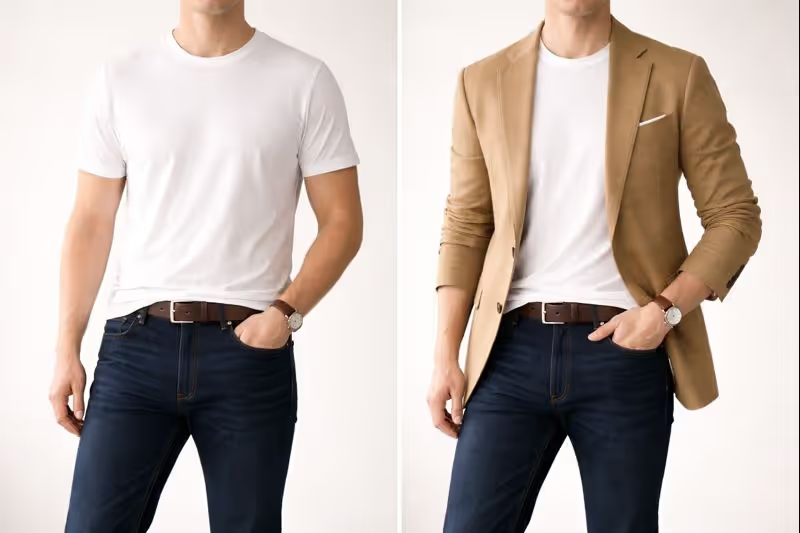
The blazer represents the most versatile third piece for most wardrobes. A quality blazer transforms virtually any basic combination—t-shirt and jeans, simple dress, sweater and trousers—into polished outfit territory. The key is fit: a blazer that fits through the shoulders and doesn't pull across the chest elevates; a blazer that fits poorly downgrades. One or two blazers in versatile colors (navy, tan, light grey, or black depending on your wardrobe) provide enormous styling utility. For less formal contexts, pushing sleeves up and leaving the blazer unbuttoned maintains the elevation while signaling casual confidence.
The cardigan offers softer third-piece options for contexts where blazers feel too structured. Cardigans add layer interest while contributing cozy, approachable energy. The key to cardigan styling involves avoiding frumpy associations through attention to fit and proportion—cardigans shouldn't be oversized to the point of shapelessness, and they work best when other outfit elements provide structure. A fitted cardigan over a tucked t-shirt with tailored pants reads as intentional; the same cardigan over a loose top with relaxed pants risks reading as sloppy. The vest—whether tailored, knit, or casual—provides third-piece energy while leaving arms free and working across seasons. Vests have experienced revival as elevated basics, particularly in knit and quilted versions. They add visual interest and layer dimension without bulk, making them particularly useful in climates or contexts where full third layers feel excessive. The structured jacket beyond blazers—leather jackets, denim jackets, bomber jackets, utility jackets—each contribute specific aesthetic energy while providing third-piece function. A leather jacket over a simple dress creates entirely different impression than the dress alone; a denim jacket over a t-shirt and skirt adds casual cool that transforms the combination. Building a collection of jacket options in different styles allows adapting the third-piece principle across contexts and moods. Even non-clothing third pieces can serve the function. A statement scarf, a quality belt worn visibly, or a distinctive bag that reads as outfit element rather than mere carryall can provide the visual interest and intentionality that third pieces contribute. The principle is adding something that creates visual interest beyond basic top-plus-bottom simplicity.
Accessories: Small Objects, Large Impact
Accessories communicate intention more efficiently than any other outfit element. The presence of thoughtfully chosen accessories signals that someone cared about their appearance, invested attention in their outfit, and made deliberate choices—even when those accessories are simple and understated. Conversely, the complete absence of accessories often reads as rushed or indifferent regardless of clothing quality. Understanding how to deploy accessories strategically upgrades basics without requiring extensive collections or expensive pieces.
Jewelry provides the highest-impact accessory opportunity for most people. Even minimal jewelry—a simple watch, small earrings, a delicate necklace—contributes polish that bare necks and wrists lack. The specific pieces matter less than their presence and appropriateness; quality basics worn with zero jewelry read as less finished than the same basics with simple gold or silver accents. For those uncomfortable with jewelry or unsure where to start, a quality watch serves multiple functions: practical timekeeping, visual interest at a natural focal point, and signaling of intention and care.
I tell clients who claim they 'don't do jewelry' to try wearing one simple piece—just a watch, or just small earrings—for two weeks with their regular basics. By the end, they're shocked at the difference and usually ready to add more. Jewelry doesn't have to be elaborate or expensive to elevate. It just has to be present.
Layering jewelry creates more visual interest than single pieces while still working with basics-focused wardrobes. The approach involves combining multiple simple pieces—several delicate necklaces at different lengths, stacked rings, multiple bracelets—to create collected, personal effect without any single piece demanding attention. This layered approach reads as personal style rather than occasion dressing, working equally well with a white t-shirt as with a blazer. The key to successful layering involves staying within a metal family (mixing gold and silver can work but requires intention) and varying piece size and texture while maintaining overall coherence. Belts transform waist definition and outfit completion. A quality leather belt visible at the waistband of tucked-in looks adds finishing that beltless tucking lacks. Even when not functionally necessary, visible belts contribute polish—the presence of a belt suggests attention to detail. The belt need not be expensive but should be in good condition; cracked leather or tarnished buckles undermine rather than enhance. Having belts in both the brown and black families ensures options that work with various shoe and bag combinations. Bags contribute to outfit impression despite their practical function. The difference between a quality-looking bag and a visibly cheap one affects perceived outfit polish significantly. This doesn't require expensive bags—many affordable options look appropriate—but it does require attention to condition and appropriateness. A worn, overstuffed bag undermines otherwise polished outfits; a clean, well-maintained bag in an appropriate size for the context supports them. Scarves add third-piece elements and color/pattern interest while remaining optional and removable. A simple silk scarf tied at the neck, draped over shoulders, or wrapped at the wrist transforms plain tops into more interesting outfit foundations. Scarves offer opportunity to introduce color or pattern into basics-heavy wardrobes without committing to colorful or patterned garments.
Color Coordination Elevates Everything
The relationship between colors in an outfit affects perceived sophistication regardless of individual piece quality. Thoughtful color coordination makes inexpensive basics look intentional; poor color coordination makes expensive pieces look careless. Understanding basic color principles and applying them deliberately upgrades any wardrobe.
Tonal dressing—wearing colors from the same family in different shades—creates automatic sophistication with minimal effort. Various blues together (navy blazer, light blue shirt, medium blue trousers) read as coordinated and intentional. Browns and tans together, greys together, greens together—this tonal approach works across color families and always produces more polished results than random color combinations. Tonal dressing particularly elevates basics because it transforms simple pieces into what appears to be a considered outfit; the coordination suggests intention even when individual pieces are ordinary.
The fastest way to make basics look expensive is tonal dressing. Stay within one color family—different shades of blue, different shades of cream and tan—and suddenly a $20 t-shirt looks like part of a thoughtfully curated outfit. The color coordination does the work that expensive pieces do in other contexts.
Neutrals coordinating properly requires understanding warm versus cool undertones. Cream, tan, brown, and olive share warm undertones and work together; white, black, grey, and navy share cool undertones and coordinate naturally. Mixing warm and cool neutrals carelessly—a cool grey sweater with warm cream pants, for instance—creates discord that registers as "something's off" even when observers can't identify the cause. Identifying whether your wardrobe skews warm or cool, then shopping within that temperature, eliminates a major source of combinations that never quite work. Strategic color pops against neutral bases create visual interest while maintaining basic-focused simplicity. A red bag with an otherwise neutral outfit, green earrings against grey and white, mustard scarf with navy and cream—these single color accents provide impact without complexity. The key involves limiting color pops to one or two accent elements; multiple competing colors against neutral basics lose the clean effect that makes this approach work. Matching metals across accessories creates cohesion that mismatched metals disrupt. Gold earrings, gold watch, gold necklace, gold belt buckle—this consistency reads as intentional. Mixed metals can work when deliberate (silver and gold layered together as a chosen aesthetic) but often registers as inattention when accidental. Committing to one metal family for everyday accessories simplifies coordination and ensures that accessory additions consistently enhance rather than occasionally conflict.
The Fit Details That Transform
Beyond overall fit—whether clothes are too big or too small—specific fit details determine whether basics look intentional or sloppy. These micro-fit elements operate below conscious awareness for most observers but cumulatively create the impression of clothes that work versus clothes that merely cover. Understanding and managing these details transforms how even ordinary basics present on your body.
Hem length affects perceived intention dramatically. Pants that pool at the ankle look unfinished, as though you didn't notice or didn't care that they were too long; pants that break cleanly at the shoe—one slight fold where fabric meets footwear—look polished and intentional. This difference often comes down to half an inch, a minor alteration that transforms how trousers present yet costs under $15 at most tailors. The ideal break varies by trouser style: slim trousers look best with minimal or no break, traditional cuts can accommodate a medium break, and wide-leg pants can pool slightly without looking sloppy. Learning what works for each style you own, and being willing to hem accordingly, dramatically upgrades how pants present.
Similarly, tops that hit at awkward body points (exactly at widest hip, for instance) create different impressions than tops hitting at more flattering lengths. Shirts that end precisely at the fullest part of your hip emphasize that width; shirts that end slightly above or below minimize it. Awareness of where hems fall, and willingness to alter items to hit at better points, upgrades how basics present without requiring better basics. This might mean hemming a too-long shirt, choosing between sizes based on hem placement rather than overall fit, or learning which brands consistently hit your body at flattering points.
Collar condition affects perceived quality more than almost any other single element. A crisp, well-structured collar suggests quality and care; a limp, wrinkled, or yellowed collar suggests carelessness regardless of garment cost. People look at collar zones because they frame faces—it's where eyes naturally land during conversation. Maintaining collar crispness through proper laundering (avoiding over-drying, which weakens fabric structure), investing in collar stays for dress shirts, ironing or steaming collars flat before wearing, and retiring shirts when collars have degraded maintains the quality impression that good collars create. A $20 shirt with a crisp collar reads better than a $200 shirt with a worn, floppy collar.
Cuffs mirror collar importance at the other end of sleeves. Frayed cuffs, stained cuffs, or cuffs with lost structure undermine otherwise acceptable shirts. The cuff-and-collar zone frames face and hands—the parts of you people actually look at during interaction—making degradation in these areas particularly visible and damaging to overall impression. When cuffs begin to fray or discolor, the shirt has passed its useful life for elevated wear regardless of how good the rest of the garment looks. Waistband fit determines comfort and appearance throughout wear. Waistbands that gap, pinch, or require constant adjustment create both physical discomfort and visual distraction. You can't appear confident and put-together while constantly adjusting a waistband that doesn't fit properly. Finding brands and cuts whose waistbands work with your body—and being willing to have waists taken in when garments fit everywhere else—solves problems that otherwise plague daily wear. A tailor can take in a waistband on otherwise perfect pants for minimal cost, transforming a garment from unwearable to wardrobe staple. Button placement and pull affects how tops sit throughout the day. Shirts that pull at button points (creating the horizontal stress lines that indicate too-tight fit across the chest) should be sized up or avoided entirely—no amount of styling compensates for garments that are clearly too small. Buttons that gap between chest and waist, revealing glimpses of what's underneath, need strategic solutions—fashion tape, different bra choices, layering, or acceptance that the garment doesn't work for your body. Learning which cuts and brands accommodate your body without pulling or gapping prevents accumulating closets full of pieces that never quite work.
Fabric and Texture Awareness
The fabric a garment is made from affects how it reads more than most people realize. Understanding how fabric quality and texture contribute to perceived value—and learning to select fabrics that elevate rather than undermine—upgrades basics without requiring higher price points.
Natural fibers generally read as higher quality than synthetic alternatives. Cotton, wool, linen, and silk carry associations with quality that polyester and acrylic lack, even when the synthetic version costs more. This perception isn't always fair to well-made synthetics, but it operates regardless of fairness. When choosing between basic options, favoring natural fiber content tends to produce pieces that look more expensive than their prices suggest. Fabric weight and drape affect sophistication perception. Substantial fabrics that drape cleanly suggest quality; thin fabrics that cling or billow suggest cheapness. The t-shirt that's slightly heavier, that holds its shape rather than collapsing limply, reads as better than the thin version even if both cost the same. Learning to assess fabric weight and drape by touch—feeling potential purchases rather than just looking at them—helps identify pieces that will look better in wear than their prices suggest.
| Fabric Quality Indicator | What to Look For | Why It Matters |
| Weight | Substantial feel, not papery or limp | Heavier fabrics drape better and appear more expensive |
| Opacity | Holds up to light without showing through | See-through basics look cheap regardless of design |
| Recovery | Returns to shape after stretching | Maintains appearance through wear rather than sagging |
| Surface smoothness | Even texture without pills or irregularities | Clean surface reads as quality; pilling reads as worn |
| Seam finishing | Clean, secure, well-aligned seams | Construction quality visible in how pieces are assembled |
Texture mixing adds visual interest to basics-focused outfits. Combining different textures—smooth leather with soft knit, crisp cotton with nubby wool, silky fabric with denim—creates dimension that single-texture outfits lack. The contrast between textures provides the visual interest that pattern and color provide in other wardrobes, allowing basics-focused dressers to create sophisticated outfits through texture combinations rather than adding complexity through prints or bright colors. Fabric condition affects perceived quality independent of original quality. Pilled sweaters, faded blacks, stretched-out knits, and worn fabric all degrade how garments present regardless of their original quality. Maintaining fabric condition through proper washing, appropriate storage, and willingness to retire degraded pieces preserves the elevated look that good basics provide. A fresh, well-maintained inexpensive sweater looks better than a worn expensive one; the care shows more than the original price.
Shoes Complete Everything
Shoes carry disproportionate weight in outfit assessment because people look at shoes—it's a nearly universal behavior across cultures and contexts. The condition, appropriateness, and style of footwear can upgrade or undermine everything worn above. Understanding shoe's outsized impact and managing it strategically transforms how basics-focused outfits present.
Clean shoes signal care in ways that clean clothes don't equally match. A scuffed, dirty shoe draws negative attention that a slightly wrinkled shirt wouldn't; people notice shoe condition specifically because they look at shoes specifically. Keeping everyday shoes clean through regular wiping, occasional conditioning for leather, and addressing visible wear marks maintains the positive or neutral impression that clean shoes create. This doesn't require extensive shoe care routines—a minute of attention per day of wear keeps most shoes looking appropriate. Shoe style affects outfit formality more than most people realize. The same jeans-and-blazer combination reads differently with white sneakers, leather loafers, heeled boots, or dress shoes. Shoe choice effectively adjusts outfit formality up or down, providing flexibility that allows basics to work across multiple contexts. Building a small collection of versatile shoes in different formality levels—clean sneakers for casual, quality loafers for smart-casual, proper dress shoes for formal—ensures options for whatever context basics need to serve.
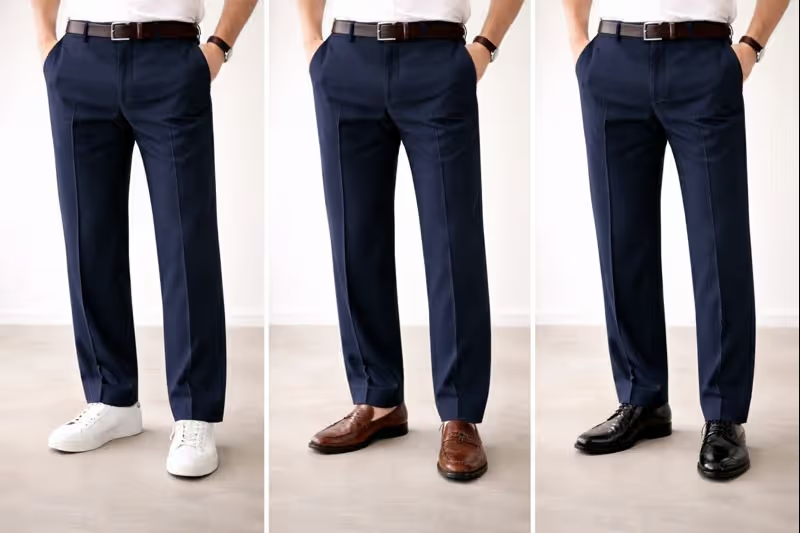
Author: Jordan Ellis;
Source: lucyandcoboutique.com
The Psychology of Elevated Simplicity
Understanding why elevated basics create their impressions helps refine technique and avoid common pitfalls. The psychology underlying these effects explains what actually matters versus what fashion rules merely assert.
Perceived effort and intention drive much of how outfits register. People assess whether someone appears to have thought about their clothes, not whether the clothes themselves are expensive or complex. A simple outfit that reads as considered—through tucking, accessories, fit details, and coordination—creates better impression than a complex outfit that reads as accidental or thoughtless. This explains why the small details matter: they're signals of intention, evidence that someone cared about their appearance. Consistency signals care more than perfection. An outfit where all elements appear to belong together, where nothing seems accidental or afterthought, reads as put-together even when individual elements are basic. Conversely, an outfit with one notably higher-quality element and otherwise careless presentation can read worse than consistent basics throughout. The goal is coherent care rather than isolated excellence.
| Context | Appropriate Basics Elevation | Common Mistakes |
| Casual weekend | Clean sneakers, front-tucked tee, one jewelry piece | Overdressing with heels/blazer; underdressing with gym clothes |
| Smart-casual office | Blazer over basics, loafers, full accessorizing | Too formal with suits; too casual with untucked loose fits |
| Business professional | Pressed button-downs, tailored pants, polished shoes | Casual shoes; missing belt; unpressed fabrics |
| Evening casual | Elevated basics with statement accessories, intentional shoes | Athletic wear; overly formal interpretation |
| First impressions | Best-condition basics, complete accessorizing, polished shoes | Trying too hard with overdone outfits; trying too little with defaults |
Context appropriateness affects perception more than absolute quality. The right basics for the context—appropriately casual or formal, appropriately practical or polished—create better impressions than inappropriate higher-end pieces. A perfectly chosen basic outfit worn to a casual dinner outperforms an overdressed elaborate outfit at the same dinner. Understanding context and dressing appropriately for it matters more than dressing impressively without context awareness. Self-presentation comfort influences how clothes read. Wearing clothes confidently, as though they belong on you and you chose them deliberately, affects perceived appropriateness. Self-conscious fidgeting, constant adjustment, or apparent discomfort undermine otherwise appropriate choices. Choosing basics that feel comfortable as well as looking appropriate ensures the confidence that helps clothes land well.
Building the Elevated Basics Wardrobe
Applying these principles requires having basics worth elevating and in condition that supports elevation. Building a collection of quality basics in good condition, with the accessories and third pieces that support styling, creates foundation for daily elevated dressing. This doesn't require expensive overhauls—it requires strategic assessment and gradual improvement of what you already own while making smarter choices when you do acquire new pieces.
Audit existing basics for elevation potential. Some pieces you own probably elevate well with proper styling; others probably don't, whether due to fit issues, fabric quality, condition problems, or design elements that resist elevation. Take everything out of your closet and try it on with an elevation mindset: Does this tuck well? Does it take accessories? Does it coordinate with your other pieces? Does it look intentional or does it fight the polish you're trying to create? Identifying which basics deserve styling investment and which should be replaced or relegated to contexts where elevation doesn't matter focuses effort productively. The t-shirt that tucks beautifully and takes accessories well deserves styling attention; the t-shirt that doesn't hold a tuck and looks shabby with jewelry shouldn't receive the same effort. Create two mental categories: pieces worth styling and pieces for when appearance doesn't matter. This clarity prevents wasting effort on pieces that can't be elevated.
Invest in basics that support elevation when you do shop. When replacing or supplementing basics, choose pieces with characteristics that support styling: substantial enough fabric weight to hold structure, fit that works with tucking and layering, neutral colors that coordinate broadly, quality indicators that read as intentional. The slightly more expensive basic that tucks better, drapes better, and coordinates better provides more elevation potential than multiple cheap basics that resist styling. A $50 t-shirt that looks great with every styling technique will serve you better than five $10 t-shirts that look mediocre no matter what you do with them. When shopping, test pieces against styling criteria: Does it tuck without bunching? Does it layer well? Does the fabric have enough weight to hold shape? Does the color work with your existing wardrobe? Passing these tests matters more than price point or brand name.
Build accessory foundations that support daily elevation. One quality watch or bracelet, one versatile necklace, simple earrings for those who wear them, one quality belt in each necessary color family—these basic accessories provide the tools that make daily elevation possible. You don't need extensive collections; you need enough to accessorize basics consistently rather than leaving them bare. Start with whatever metal suits you (gold or silver), acquire one piece per category, and wear them daily until accessorizing feels natural rather than like additional effort. Expanding from there based on personal style preferences adds options but isn't necessary for fundamentals. A simple watch, simple earrings, and a quality belt provide enough accessory options to elevate any basic outfit. The goal is having enough to accessorize basics consistently rather than bare, not building extensive jewelry collections that create decision fatigue.
Maintain basics in condition that supports elevation. Pressed, clean, well-maintained basics in good condition elevate; wrinkled, stained, or degraded basics resist elevation regardless of styling effort. Proper washing (following care labels, avoiding over-drying, using appropriate temperatures), appropriate storage (folding knits that stretch on hangers, using quality hangers for structured pieces, keeping items visible rather than buried), regular assessment of condition (checking for pilling, fading, wear), and willingness to retire pieces past their useful life maintains the foundation that elevated styling requires. A fresh, well-maintained inexpensive basic looks better than a worn expensive one. The care you give basics shows more than the price you paid for them.
The Daily Practice
Understanding elevation principles differs from applying them automatically. Bridging the gap requires practice—consciously applying techniques until they become habitual, reducing daily styling from considered effort to automatic routine. This transformation doesn't happen overnight, but it does happen predictably with consistent application. The techniques feel deliberate and effortful initially; with repetition, they become invisible and automatic, producing elevated results without requiring elevated attention.
Start with the tuck. Every time you get dressed in a combination that could benefit from tucking, decide deliberately whether and how to tuck. Experiment with front tuck, half tuck, and full tuck on pieces you typically wear untucked. Notice how each changes the outfit's impression—pay attention to what happens in the mirror when you tuck versus don't, when you front-tuck versus half-tuck. Through repetition, appropriate tucking becomes automatic—you'll tuck without conscious decision because you've developed intuition for when tucking elevates. This intuition takes weeks to develop, not days, so don't be discouraged if tucking still feels like an extra step. Keep doing it. Eventually, not tucking will feel incomplete where tucking was appropriate.
Add accessories by default. Until accessorizing becomes habitual, make it procedural: never leave the house without at least one piece of jewelry or a watch. This artificial rule builds the habit; eventually, accessorizing feels incomplete rather than requiring reminder. The person who always wears a watch no longer thinks about wearing a watch—it's simply part of getting dressed, as automatic as putting on pants. If you're starting from zero accessorizing, pick one item—the simplest possible addition—and wear it every single day for two weeks. Once that feels natural, add a second. Building the habit incrementally prevents overwhelm while establishing the foundation for elevated presentation.
Check details before leaving. A quick assessment of sleeves, tuck condition, overall impression—building this final check into the getting-dressed routine catches problems before they affect your day and reinforces attention to the details that matter. Stand in front of a full-length mirror, step back to see the whole picture, and run through the checklist: Sleeves right? Tuck holding? Colors coordinating? Shoes clean? Accessories present? This check takes thirty seconds once practiced and prevents the entire-day regret of noticing, hours later, that something was wrong. Over time, the check becomes faster as you learn what to look for and catching problems becomes automatic.
Notice elevation in others. Observing how stylish people style basics—which details they attend to, how their clothes sit, what accessories they wear—reinforces principles through real-world example. When you see someone who looks put-together in simple clothes, analyze what makes it work. Is it the tuck? The third piece? The accessory choices? The color coordination? The skills of seeing, analyzing, and naming what makes outfits work become part of your mental toolkit, available both for assessing others and for improving your own choices. Fashion media, street style photography, and observing people in your daily life all provide opportunities for this analytical practice.
The goal is reaching a point where elevated basics are your default, where getting dressed automatically produces put-together results, where the techniques become invisible through repetition. This isn't about becoming obsessed with appearance but about developing skills that make daily dressing simpler and results more consistent. Like any skill, styling basics feels awkward initially and becomes smooth with practice. The paradox of elevated basics is that the attention required to learn techniques eventually produces effortlessness—you'll spend less mental energy getting dressed once these principles become automatic than you spent when every outfit felt like solving a puzzle. That effortlessness, and the consistent polish it produces, is worth the initial investment in learning. Start tomorrow, and in a month you'll wonder why you waited.
Styling techniques reflect timeless principles applicable across changing fashion trends. Individual application should reflect personal style, body, and lifestyle requirements.
Related Stories
Read more
Read more


The content on lucyandcoboutique.com is provided for general informational and inspirational purposes only. It is intended to showcase fashion trends, style ideas, and curated collections, and should not be considered professional fashion, styling, or personal consulting advice.
All information, images, and style recommendations presented on this website are for general inspiration only. Individual style preferences, body types, and fashion needs may vary, and results may differ from person to person.
Lucyandcoboutique.com is not responsible for any errors or omissions, or for actions taken based on the information, trends, or styling suggestions presented on this website.