30 Outfit Ideas to Refresh Your Style This Season
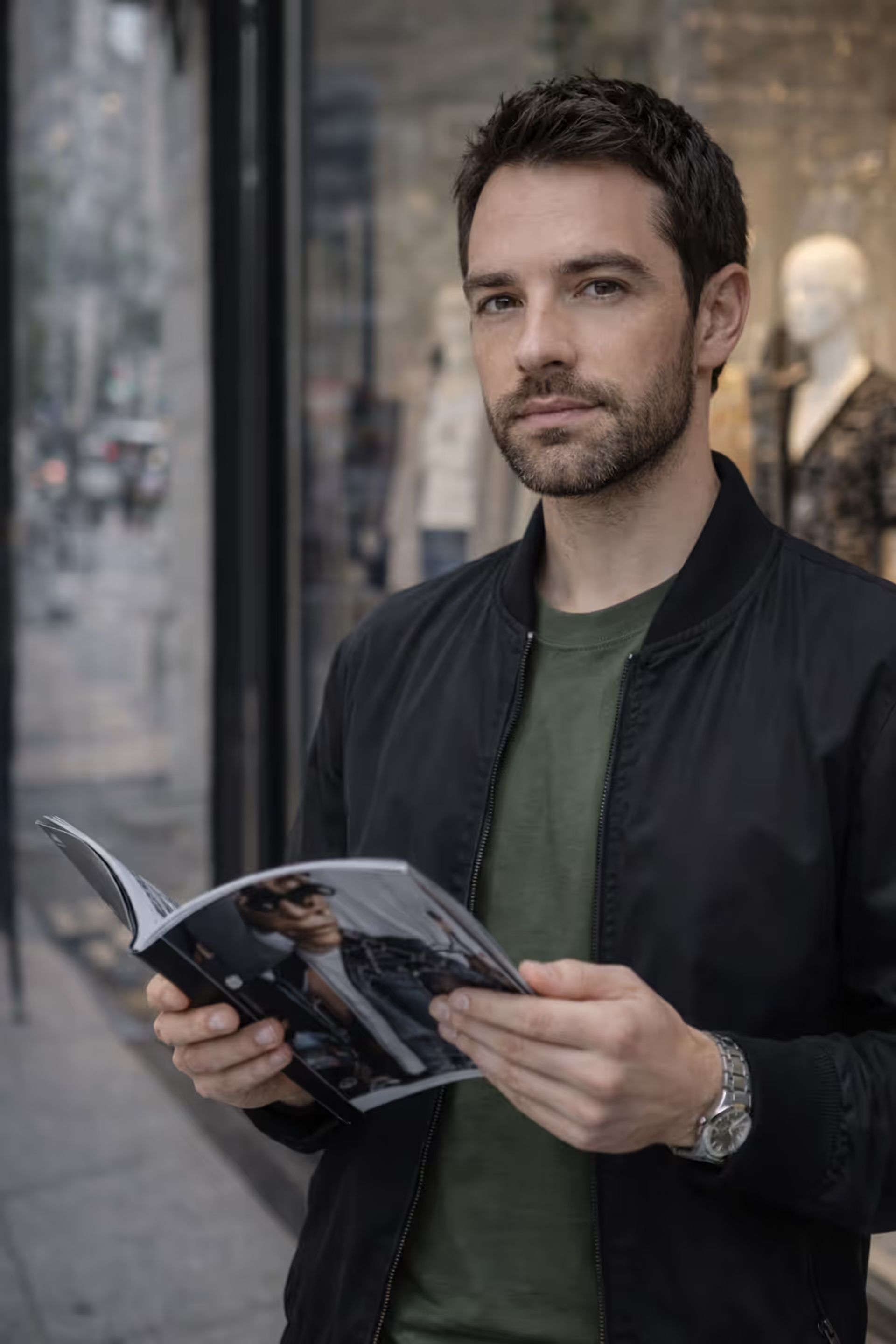
We have all experienced that moment. Standing before an overflowing closet, convinced we have absolutely nothing to wear. The hangers overflow with options, yet inspiration remains stubbornly absent. Sound familiar? You are certainly not alone in this sartorial paralysis. This universal experience transcends age, profession, and personal style preferences, affecting everyone from fashion novices to seasoned style enthusiasts. The phenomenon speaks to something deeper than mere clothing selection; it reveals our complex relationship with self-presentation and the daily challenge of expressing identity through fabric and form.
The truth is, refreshing your style does not require emptying your bank account or overhauling your entire wardrobe. Sometimes all you need is a fresh perspective, new ways to combine familiar pieces, unexpected pairings that breathe life into forgotten garments, or simply the confidence to try something slightly outside your comfort zone. The art of dressing well lies not in the quantity of clothing owned but in understanding how to maximize what already hangs in your closet. This comprehensive guide delivers exactly that: thirty carefully curated outfit ideas spanning casual weekends to professional settings, date nights to travel adventures. Whether you are seeking fashion inspiration for everyday wear or special occasions, these combinations will reignite your relationship with getting dressed each morning and transform what once felt like a chore into an opportunity for creative expression.
The psychology behind clothing choices runs deeper than most realize. What we wear affects not only how others perceive us but also how we perceive ourselves. Research consistently demonstrates that dressing intentionally improves confidence, productivity, and even cognitive performance. That rumpled outfit is not just making an impression on colleagues; it is affecting your own mental state throughout the day. Understanding this connection transforms getting dressed from mundane chore into opportunity. Each morning presents a chance to express identity, set intentions, and prepare mentally for whatever challenges await. The outfit ideas presented here are not merely aesthetic suggestions; they are tools for crafting the version of yourself you want to present to the world.
Fashion is the armor to survive the reality of everyday life.
Casual Weekend Looks That Actually Look Put-Together
Weekends deserve comfort, but comfort need not mean frumpy. These outfit ideas prove that relaxation and style coexist beautifully. The key lies in selecting pieces that feel as good as loungewear while projecting intention rather than surrender. Weekend dressing presents a unique opportunity to experiment with styles that professional environments might not accommodate, allowing for greater personal expression while maintaining the polish that distinguishes intentional dressing from mere clothing coverage. The following combinations demonstrate how to achieve this balance across various weekend activities and personal style preferences.
The Elevated Loungewear Ensemble
Matching sweater sets have graduated from pandemic comfort wear to legitimate street style. Choose a ribbed knit set in oatmeal or sage green, then elevate with gold jewelry and clean white sneakers. The coordinated approach eliminates styling effort while projecting intentionality. The beauty of this combination lies in its deceptive simplicity. What appears effortless actually communicates style awareness and self-respect. Select fabrics with some structure, as pure cotton or cotton-cashmere blends hold shape better than synthetic alternatives. The investment pays dividends in wearability and appearance. Consider the color palette carefully; neutral tones offer maximum versatility while subtle colors like sage, dusty rose, or soft blue add interest without overwhelming the monochromatic effect.
Denim-on-Denim Done Right
The Canadian tuxedo has shed its punchline status and emerged as a sophisticated casual option when executed properly. Pair a lighter wash denim jacket with darker jeans, creating tonal contrast that reads sophisticated rather than costume-like. Add leather loafers and a structured bag to complete the look. This combination works because of intentional contrast. Avoid matching washes exactly, as the goal is harmony, not uniformity. Breaking the denim with a neutral tee or white shirt underneath creates necessary visual pause. Accessories in leather or canvas ground the look in sophistication rather than novelty. The key to mastering this combination lies in understanding that denim serves as a neutral fabric, capable of anchoring outfits much like navy or camel would in more traditional contexts.
The Oversized Shirt Dress
Borrow from the boys. An oversized men's oxford shirt, belted at the waist and worn over bike shorts, creates effortlessly chic outfits perfect for farmers market wanderings or brunch gatherings. Roll the sleeves, add chunky sandals, and you are set. Proportions matter critically here. The shirt should hit mid-thigh or slightly above, creating the illusion of a dress while bike shorts provide coverage and comfort. Belt selection significantly impacts the final impression: a woven leather belt reads casual while structured leather elevates toward polish. This approach demonstrates how borrowing from traditionally masculine wardrobes can create unexpectedly feminine and flattering silhouettes.
Athletic-Inspired Sophistication
Wide-leg track pants in luxe fabrics like silk or ponte pair surprisingly well with fitted turtlenecks and structured blazers. This high-low combination bridges athleisure and polish, perfect for those days requiring both comfort and presentability. The secret lies in fabric quality. Track pants in premium materials bear little resemblance to their gym-bound cousins. The relaxed silhouette contrasts beautifully with fitted upper body pieces, creating balanced proportions that flatter most body types. Finish with pointed-toe mules or sleek sneakers depending on formality requirements. This combination exemplifies how modern fashion has erased rigid category boundaries, allowing athletic-inspired pieces to coexist with traditional tailoring.
The Perfect Jeans Formula
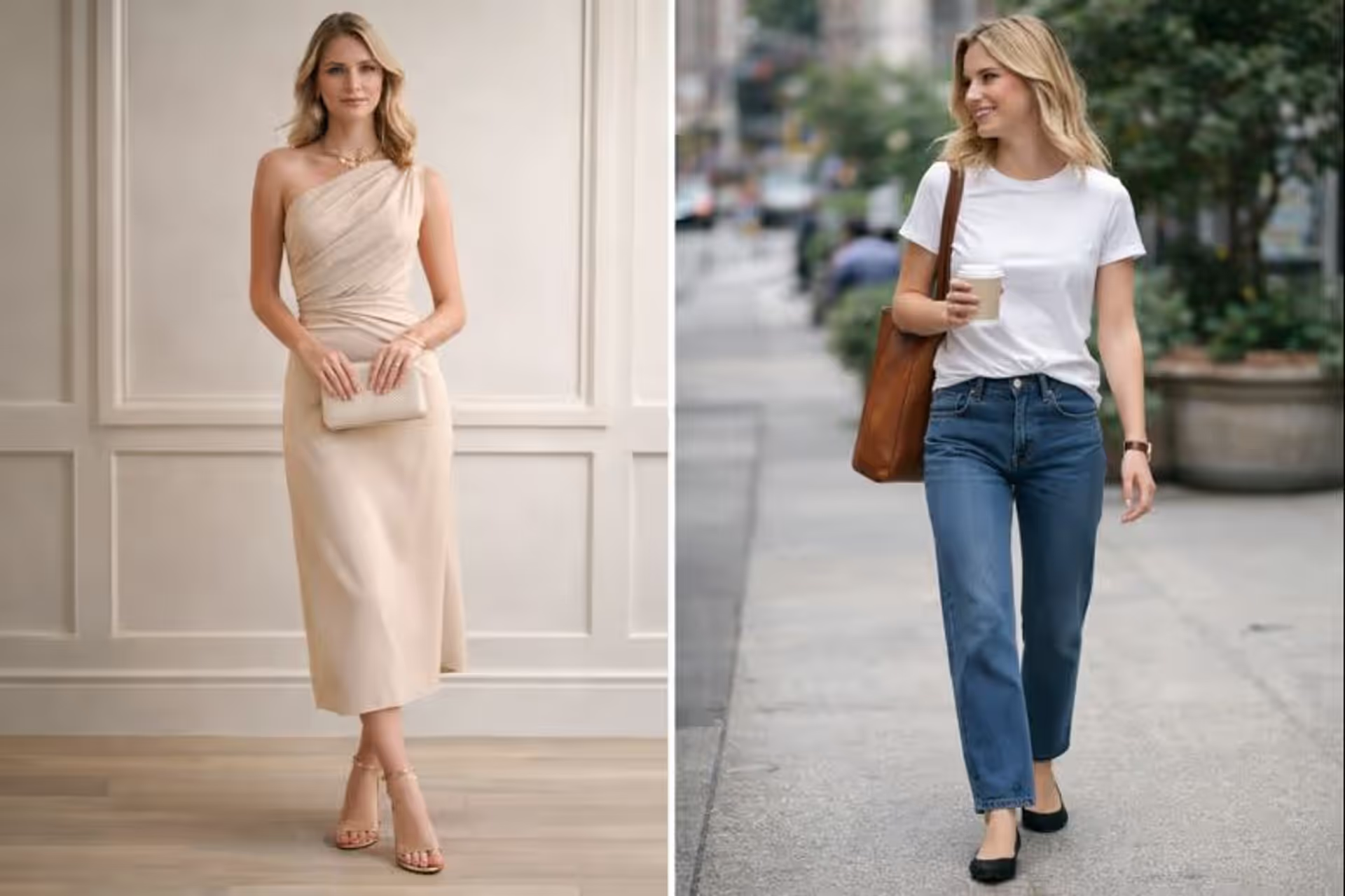
Some classics never fade. Well-fitted straight-leg jeans, a crisp white tee, and a camel coat form the foundation countless style icons have relied upon for decades. The simplicity demands quality, so invest in pieces that fit impeccably. This formula succeeds because each element earns its place. The jeans must fit perfectly through hip and thigh before relaxing toward ankle. The white tee requires sufficient weight to avoid transparency while maintaining softness. The coat provides structure and warmth while pulling everything into cohesive statement. No element works independently; they require each other. This formula has endured precisely because it achieves maximum impact through minimum complexity, proving that restraint often produces more elegant results than elaborate styling.
Office-Ready Outfit Ideas for Every Dress Code
Professional environments increasingly embrace style expression alongside appropriate formality. These trendy outfits navigate that balance with confidence. The modern workplace recognizes that employees expressing personal style often demonstrate the creativity and confidence valued in professional contexts. Gone are the days when professional attire meant conformity; today's offices celebrate individuality within appropriate parameters. The following combinations demonstrate how to project competence and creativity simultaneously, adapting to various workplace cultures while maintaining personal style identity.
The Modern Power Suit
Forget boxy, masculine silhouettes. Contemporary suits feature relaxed shoulders, tapered trousers, and interesting textures. Try a chocolate brown wool suit with a silk camisole underneath, powerful without being severe. Today's suiting acknowledges that authority need not require armor. Softer fabrics, thoughtful tailoring, and unexpected colors project confidence without aggression. The camisole underneath adds feminine dimension while maintaining professionalism. Consider interesting buttons, subtle pattern variations, or textured weaves to distinguish from conventional options. The evolution of the power suit reflects broader cultural shifts toward valuing authenticity over conformity in professional contexts.
The Dress and Sneakers Combination
Midi dresses paired with fashion sneakers have revolutionized workplace attire. A sleek slip dress with structured blazer and white leather sneakers reads contemporary professional while accommodating commutes and long days on your feet. This combination acknowledges reality: many professionals walk significant distances, navigate public transit, or simply need comfort for ten-hour days. The sneakers no longer read as concession but rather as intentional style choice embraced by fashion-forward professionals globally. This represents one of the most significant workplace fashion shifts in recent decades, demonstrating how practical considerations can drive style evolution rather than compromise it.
Elevated Basics Approach
High-waisted trousers in unexpected colors, such as forest green, rust, or burgundy, pair beautifully with simple cream blouses. The color provides interest while the silhouette maintains professionalism. This approach proves that basic building blocks need not be boring. The elevated basics philosophy prioritizes quality and fit above trend-chasing. A single pair of perfectly tailored trousers in an interesting color serves better than multiple mediocre options. Rotation through various blouse options, including silk, cotton, and subtle patterns, creates variety within consistent structure. This methodology builds wardrobes that serve for years rather than seasons.
The Sweater Vest Revival
Layering a sweater vest over a crisp button-down creates visual interest without overwhelming. Add wide-leg trousers and pointed-toe flats for an outfit that references academic tradition while feeling thoroughly modern. Sweater vests occupy interesting territory, simultaneously nostalgic and contemporary. The key lies in selecting updated versions with interesting textures, patterns, or proportions rather than literal reproductions of preppy predecessors. Cable knits, argyle reinterpretations, and oversized fits distinguish modern takes from dated originals. This piece demonstrates how fashion cycles bring back classic elements while transforming them for contemporary contexts.
Monochromatic Magic
Dressing head-to-toe in single color families elongates silhouettes and projects confidence. Navy everything, including blouse, trousers, and heels, reads sophisticated and intentional. Vary textures within the color family to prevent flatness. Monochromatic dressing requires understanding tonal variation. Pieces need not match exactly; in fact, slight variations create depth and interest. Combining matte and sheen, smooth and textured, light and shadow within single color families produces sophisticated results that simpler matching cannot achieve. This technique works across all color families and adapts easily to both casual and professional contexts.
Date Night and Evening Outfit Ideas
When occasions call for something special, these combinations deliver memorable impact without trying too hard. Evening dressing permits greater creativity and risk-taking than professional contexts typically allow. The lowered lighting, celebratory atmosphere, and social nature of evening events create perfect conditions for experimentation with silhouettes, textures, and colors that might feel too bold for daylight contexts. The following options span various evening scenarios, from intimate dinners to larger gatherings.
The Silk Slip Strategy
A silk midi slip dress epitomizes understated elegance. Layer with a structured blazer for dinner reservations, or add a leather jacket for concert venues. The versatility justifies investment, making this piece essential when building a quality wardrobe. Silk slip dresses flatter through simplicity. The fabric skims without clinging, the length elongates without restricting, and the neckline suggests without revealing. These dresses work across seasons, alone in summer and layered in winter, providing exceptional cost-per-wear value despite initial investment.
Statement Trousers Focus
Let bold trousers command attention while everything else recedes. Sequined, brocade, or boldly printed pants paired with simple black tops create drama concentrated strategically. Shoes remain minimal, accessories sparse. This approach inverts typical evening dressing formulas. Rather than statement tops and simple bottoms, flipping the script creates unexpected impact. The restraint elsewhere demonstrates style confidence, as knowing when to hold back proves as important as knowing when to shine.
The All-Black Canvas
Never underestimate black's power. Black tailored trousers, black silk blouse, black heels, then add one statement accessory in gold or red. The monochrome backdrop makes that single element pop dramatically. Black provides infinite depth for those who understand its nuances. Various blacks, including charcoal tints, blue undertones, and true voids, combine to create sophisticated interest visible upon closer inspection. The strategic color accent provides necessary pop without competing with the elegant foundation.
Unexpected Cocktail Attire
Skip the expected little black dress. A tailored jumpsuit in emerald or sapphire offers sophisticated alternative that stands out at events where dresses dominate. The one-piece simplicity eliminates coordination stress while ensuring elegance. Jumpsuits solve multiple evening dressing challenges simultaneously. Movement remains unrestricted, silhouettes stay controlled, and bathroom logistics prove less challenging than rumors suggest. The unexpected choice demonstrates style confidence while providing practical advantages over conventional alternatives.
The Leather Moment
Leather trousers or skirts have transcended their rock-and-roll origins. Paired with cashmere sweaters and delicate jewelry, leather reads refined rather than rebellious. The textural contrast creates visual intrigue keeping looks interesting. Quality leather improves with age, developing patina and character impossible to replicate artificially. This longevity justifies investment in quality pieces that will serve wardrobes for decades. The juxtaposition with soft, delicate elements prevents leather from overwhelming, instead contributing sophisticated edge to polished ensembles.
Seasonal Transition Outfit Ideas
Those tricky weeks between seasons challenge even devoted fashion enthusiasts. These combinations navigate temperature uncertainty with grace while maintaining style consistency across weather fluctuations. The ability to dress appropriately despite unpredictable conditions separates truly stylish individuals from those caught unprepared. Mastering transitional dressing requires understanding layering principles and selecting versatile pieces that adapt to changing conditions throughout single days.
The Strategic Layer
Lightweight turtlenecks under blazers under structured coats create adaptable warmth. As temperatures shift throughout days, removing or adding layers maintains comfort without sacrificing style coherence. Strategic layering requires planning pieces that work together aesthetically while providing functional flexibility. Each layer should contribute to the overall impression even when visible alone during warmer moments. The skill lies in selecting complementary rather than competing elements. Consider thickness progression: thinnest layers closest to body, building outward toward structured outerwear.
Midi Skirt Mastery
Midi skirts bridge seasons effortlessly. In transitional weather, pair with ankle boots and chunky knits. The length provides coverage while remaining appropriate for warming days. Pleated versions add movement and visual interest. Midi length flatters nearly universally, hitting at points that elongate legs while providing modest coverage. The versatility spans professional to casual contexts depending on pairing choices. Investing in quality midi skirts in neutral tones builds foundations serving wardrobes across years and seasons. Fabric weight determines seasonal appropriateness: lighter weights for spring transitions, heavier for autumn.
The Trench Coat Effect
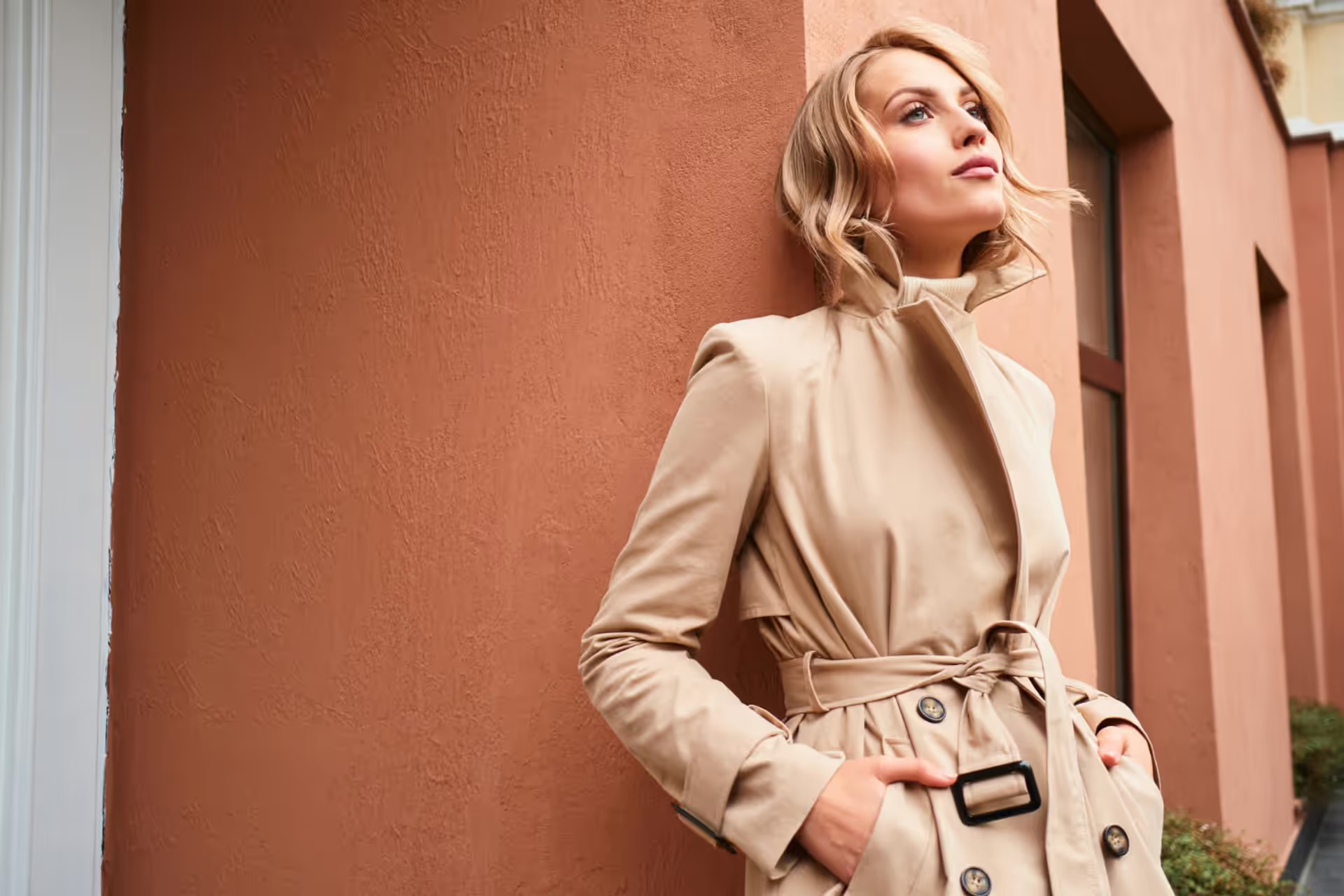
A quality trench coat transforms any outfit beneath it. Even jeans and t-shirts appear elevated when topped with this timeless layer. Invest in classic camel or experiment with modern iterations in navy or olive. Trench coats occupy unique outerwear territory, simultaneously practical and prestigious. The garment's military origins lend authority while contemporary interpretations embrace fashion-forward details. Quality construction ensures decades of service, making initial investment worthwhile despite premium pricing. Look for details like water-resistant treatments, quality hardware, and proper lining that distinguish excellent examples from mediocre alternatives.
Author: Jordan Ellis;
Source: lucyandcoboutique.com
Key Wardrobe Essentials for Maximum Versatility
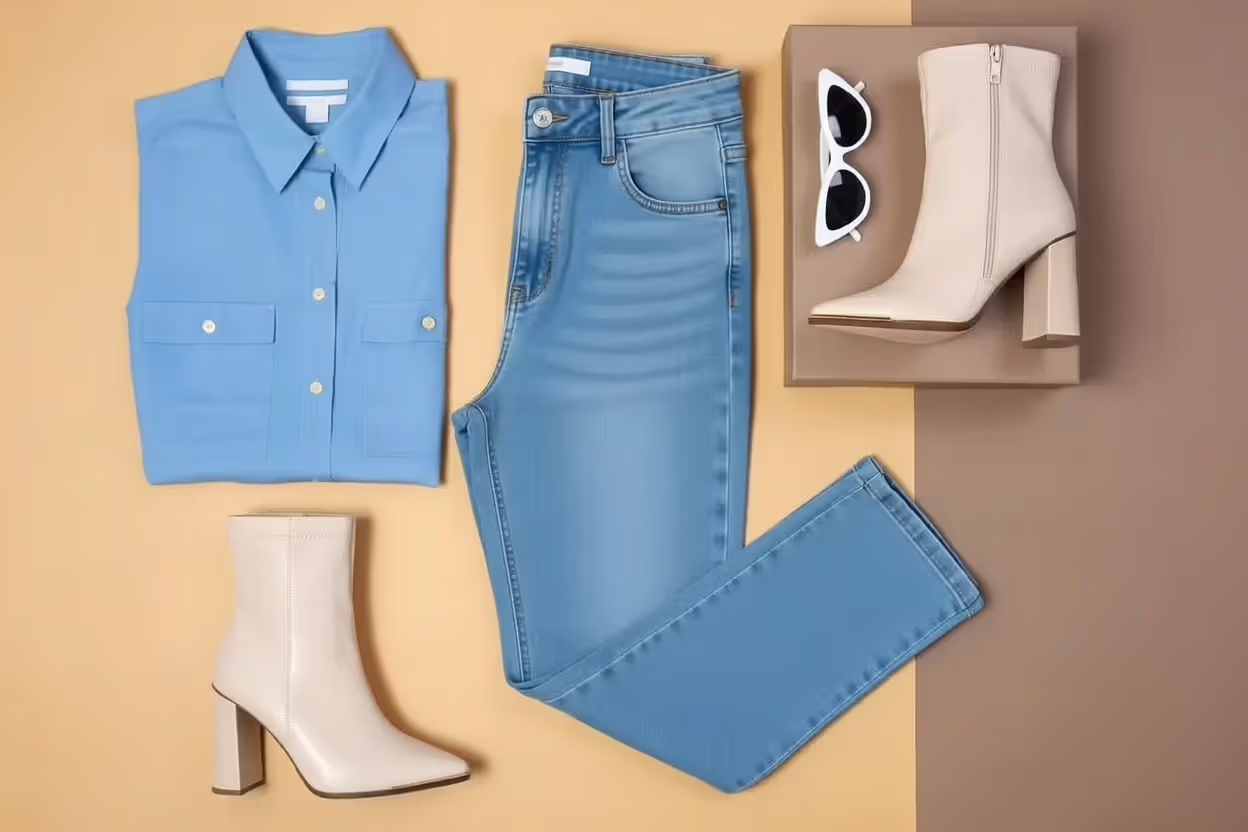
Building a functional wardrobe requires strategic investment in foundational pieces that work across multiple outfit combinations. The following essentials form the backbone of versatile dressing, enabling countless outfit variations from relatively few pieces. Consider these items priorities when building or refining your wardrobe:
- Well-fitted dark wash jeans that hit at the right length and flatter your specific body type, serving as the foundation for countless casual and smart-casual combinations
- A quality white button-down shirt in crisp cotton that can dress up or down depending on styling choices and occasion requirements
- Structured blazer in navy or black that elevates any outfit instantly and transitions seamlessly from professional to evening contexts
- Comfortable yet elegant flats or loafers in neutral leather that complement both trousers and dresses while providing all-day wearability
- Quality cashmere or merino wool sweater in a versatile neutral tone that layers beautifully and provides sophisticated warmth
- Classic trench coat or tailored overcoat that completes any outfit while protecting against weather variations
- Versatile midi dress that works for office, dates, and weekend events with simple accessory changes
- Quality leather bag in a practical size and neutral color that elevates any outfit while serving functional needs
Men's Fashion Outfit Ideas
Gentlemen deserve equal style inspiration. These outfit ideas demonstrate how men's fashion embraces creativity while maintaining masculine aesthetics. The outdated notion that men have limited style options has given way to recognition that male wardrobes can express personality as effectively as female counterparts. The following combinations prove that attention to detail and intentional dressing enhance masculine presentation rather than diminishing it.
The Upgraded Casual
Dark wash jeans, a fitted crewneck sweater, and clean leather boots elevate casual beyond basic. The formula appears simple but requires attention to fit: everything should skim the body without constricting or billowing. This combination succeeds through restraint and quality. Each element earns inclusion through perfect execution rather than novelty or trend-following. The dark jeans project sophistication while maintaining casual appropriateness. The sweater adds texture and warmth while the boots ground everything in masculine tradition.
Smart Casual Decoded
Chinos, oxford cloth button-downs, and unstructured blazers nail the oft-requested smart casual dress code. Loafers without socks add contemporary edge, while leather belts and watches provide finishing touches. Smart casual confuses many men precisely because it lacks clear definition. This formula provides reliable template adaptable to specific contexts. More formal interpretations add ties or pocket squares while casual readings might substitute sneakers for loafers. The foundational elements remain constant while details adjust to circumstance.
Tonal Dressing for Men
Men can embrace monochromatic approaches too. Various shades of blue, including navy trousers, chambray shirt, and indigo jacket, create cohesive looks demonstrating style awareness beyond basic matching. Tonal dressing for men builds sophistication without requiring dramatic departure from comfort zones. The approach works with traditionally masculine colors such as blues, grays, browns, and greens while teaching appreciation for color nuance applicable across wardrobe decisions.
The Statement Outerwear Strategy
When outerwear does heavy lifting, everything beneath can remain simple. A striking overcoat in camel, checked, or boldly colored transforms basic sweaters and trousers into memorable combinations. Quality outerwear provides exceptional return on investment given its visibility and frequency of use during colder months. The coat worn daily for five months each year deserves more consideration than items worn occasionally. Investing significantly in outerwear while economizing on basics often produces superior overall presentation.
"Dress shabbily and they remember the dress; dress impeccably and they remember the woman." - Coco Chanel, legendary fashion designer
Travel-Ready Outfit Ideas
Travel presents unique wardrobe challenges: comfort for hours in transit, versatility for various destinations, and packability for limited luggage space. These outfit ideas address travel-specific needs without sacrificing style. The ability to arrive looking polished despite hours of travel distinguishes experienced travelers from those who sacrifice appearance for comfort or vice versa. The following approaches demonstrate that this trade-off is unnecessary with proper planning and piece selection.
The Airport Formula
Stretch ponte trousers, soft cashmere sweater, structured jacket, and slip-on shoes combine all travel requirements. Compression-friendly fabrics resist wrinkles while comfortable construction accommodates long flights. Add a quality tote accommodating essentials for cabin carry. Airport style matters more than some realize. Arrival impressions affect business meetings, vacation moods, and simply personal well-being after hours of travel. Investing in travel-specific pieces that balance comfort with presentation pays dividends across countless trips. Consider dark colors hiding stains and wrinkles while providing versatility upon arrival.
The Destination Capsule
Pack five tops, three bottoms, and two pairs of shoes that all interchange. This capsule approach enables diverse outfit creation from limited pieces. Neutral foundations accept statement accessories adjusting looks for various occasions. Capsule packing requires planning but rewards with lighter luggage and reduced decision fatigue during travel. The constraint actually enhances creativity, forcing thoughtful combination rather than overwhelming option abundance. Most travelers overpack significantly; capsule discipline prevents this while ensuring adequate variety. Test combinations before departure to confirm all pieces work together as intended.
Quick Reference: Outfit Combinations by Occasion
The following table provides at-a-glance guidance for selecting appropriate combinations based on occasion type, formality level, and key styling considerations:
| Occasion | Foundation Pieces | Key Accessories | Styling Notes |
| Casual Weekend | Jeans, white tee, sneakers | Crossbody bag, sunglasses | Layer with denim or lightweight jacket |
| Business Casual | Chinos, button-down, blazer | Leather belt, watch, loafers | Roll sleeves for relaxed formality |
| Professional Meeting | Tailored suit, silk blouse | Structured bag, minimal jewelry | Monochromatic colors project authority |
| Date Night | Slip dress or statement trousers | Heels, clutch, bold earrings | Choose one statement element |
| Cocktail Event | Jumpsuit or midi dress | Statement necklace, elegant heels | Metallics work well in evening light |
| Travel Day | Ponte pants, cashmere layer | Large tote, slip-on shoes | Wrinkle-resistant fabrics essential |
| Brunch | Midi skirt, knit top | Mules, woven bag | Comfortable yet polished approach |
Building Your Personal Style Vocabulary
Beyond specific outfit ideas, developing personal style requires understanding what resonates authentically with your identity and lifestyle. Style transcends individual outfits to encompass broader philosophy about self-presentation and identity expression. The journey toward defining personal style involves self-reflection, experimentation, and gradual refinement of preferences over time. This process cannot be rushed, but understanding key principles accelerates progress toward wardrobe and style satisfaction.
Identify Your Aesthetic Anchors
Notice which images stop your scrolling, which store windows demand second glances. These consistent attractions reveal aesthetic preferences worth exploring. Whether drawn to minimalist clean lines, bohemian flowing fabrics, or structured tailoring, honor those instincts. Aesthetic preferences often connect to deeper personality traits and values. Minimalists might value efficiency and clarity across life domains. Romantics might embrace emotion and beauty broadly. Understanding these connections helps develop wardrobes authentically reflecting inner selves rather than merely following external trends.
Understand Your Lifestyle Demands
The most beautiful outfit fails if inappropriate for actual activities. Someone spending days chasing children needs different foundations than someone attending client meetings. Build wardrobes around real life, not imagined scenarios. Honest lifestyle assessment prevents common wardrobe mistakes. The gorgeous heels serving imaginary cocktail parties while comfortable flats remain absent represent misallocated resources. Aligning wardrobe investments with actual time allocation ensures pieces serve practical purposes rather than merely occupying closet space.
Invest in Fit Alterations
Tailoring transforms off-the-rack purchases into custom-feeling pieces. Even inexpensive garments gain significant elevation when hems hit correctly and waists nip properly. Budget for alterations when making purchases because the investment pays dividends in wearability. Professional tailoring remains surprisingly affordable relative to its impact. Simple adjustments including hemming trousers, taking in waists, and adjusting sleeve lengths often cost less than accessory purchases while producing far greater overall improvement. Building relationships with quality tailors provides ongoing wardrobe enhancement.
Color Theory for Outfit Building
Understanding color relationships transforms outfit construction from guesswork into informed decision-making. These principles apply across all outfit combinations while enabling infinite personal variations. Color theory provides framework for understanding why certain combinations feel harmonious while others create visual tension. Mastering these basics elevates styling decisions from intuitive guessing to intentional choices.
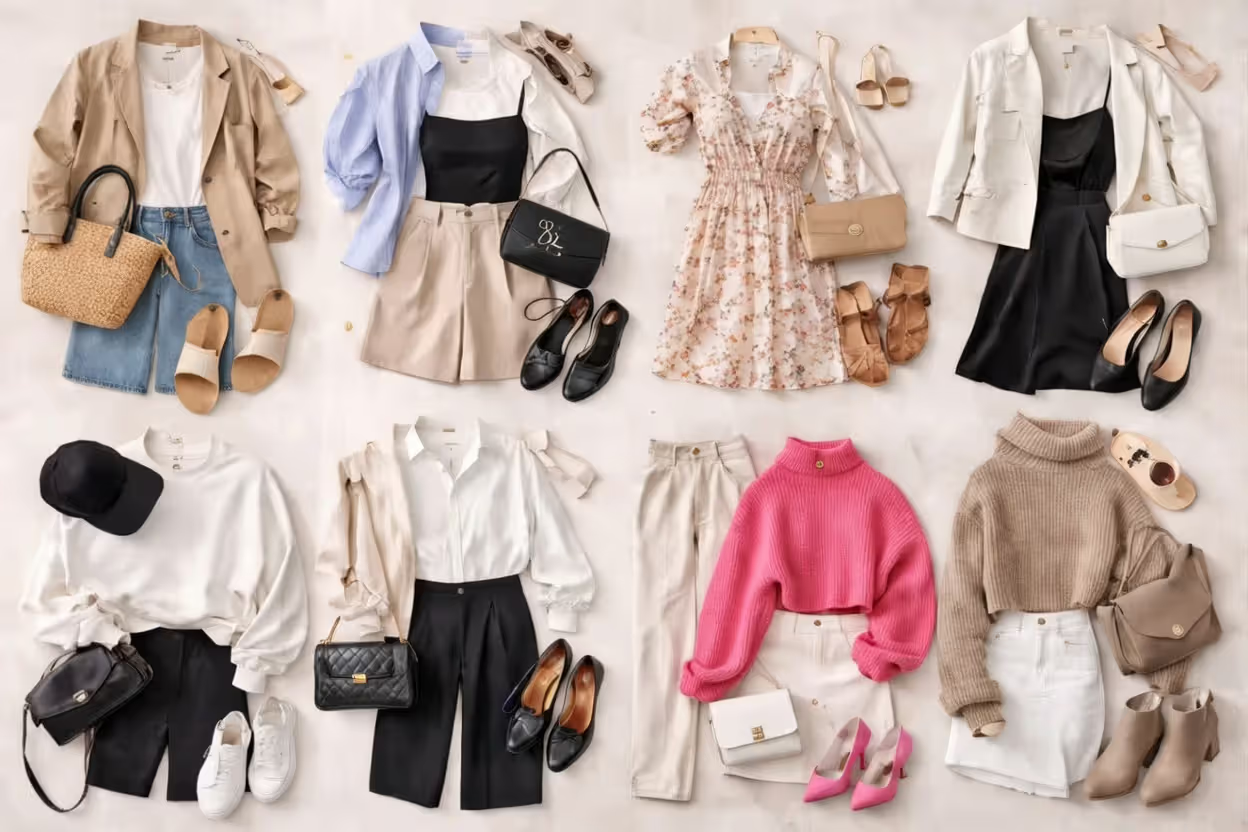
Complementary combinations involve colors opposite on the color wheel, creating vibrant, energetic pairings. Blue and orange, purple and yellow, red and green produce eye-catching combinations when balanced appropriately. These work best when one color dominates while the other accents. Analogous harmony involves colors adjacent on the wheel, such as blue, blue-green, and green, creating calm, cohesive looks. These combinations feel naturally related, producing sophisticated results through subtle variation rather than dramatic contrast.
Neutral foundations, including black, white, gray, navy, camel, and brown, serve as foundations accepting accent colors. Building wardrobes around these neutrals ensures maximum combination potential while individual statement pieces provide variety and personality. Personal coloring, including skin tone, hair color, and eye color, affects which colors flatter most. Warm-toned individuals often suit earthy tones while cool-toned complexions favor jewel tones and blues. Understanding personal coloring prevents unflattering purchases while guiding toward most enhancing options.
Author: Jordan Ellis;
Source: lucyandcoboutique.com
Accessorizing Your Outfit Ideas
Accessories transform foundations into complete statements. Understanding their role elevates styling from adequate to exceptional. These elements often distinguish truly stylish individuals from those merely wearing nice clothes. The power of accessories lies in their ability to personalize and elevate outfits without requiring entirely new wardrobes for fresh looks.
Bags significantly impact overall impressions. Structured bags polish casual combinations, while relaxed bags soften formal ones. Investing in quality leather in neutral tones ensures versatility across wardrobe, though strategic color choices add personality. Jewelry provides opportunity for personal expression within even restrictive dress codes. Meaningful pieces, including inherited items, travel purchases, and gifts from loved ones, add emotional dimension beyond mere decoration. Building jewelry collections reflecting personal history creates uniquely individual accessory options.
Shoes anchor outfits more than any other element. Pointed toes elongate and formalize, rounded toes relax and comfort. Heel heights alter proportions and mood entirely. Building a curated shoe collection supporting various outfit types ensures appropriate options always exist. Shoe quality visibly distinguishes overall presentation. Worn heels, scuffed leather, and dated silhouettes undermine otherwise successful outfits. Maintaining shoes through regular care and timely replacement protects wardrobe investments while ensuring consistent presentation quality.
Wardrobe Maintenance and Care
Protecting wardrobe investments through proper care extends useful life while maintaining appearance quality. These practices support the longevity these outfit ideas require. Proper storage prevents damage, maintains shape, and extends garment life. Knits require folding rather than hanging to prevent shoulder stretching. Blazers need proper hangers maintaining shoulder structure. Shoes deserve trees absorbing moisture and maintaining shape.
Over-cleaning damages fabrics unnecessarily. Many items require only airing between wears rather than washing or dry cleaning after single uses. When cleaning becomes necessary, following care label instructions precisely prevents shrinking, stretching, or color damage. Investing in quality laundry products designed for specific fabric types protects garment investments while maintaining appearance standards. Addressing minor damage promptly prevents escalation. Loose buttons, small tears, and failing seams all worsen when ignored but require minimal intervention when caught early.
Final Thoughts on Refreshing Your Style
Style evolution happens gradually rather than through dramatic overhaul. These thirty outfit ideas provide starting points, jumping-off places for personal interpretation and adaptation. No formula works universally because individual bodies, lifestyles, and preferences require personalized approaches. The most important element transcends any specific combination: confidence. Wearing clothes that feel authentically aligned with your identity projects attractiveness no particular outfit formula replicates. Trust your instincts, experiment without self-judgment, and remember that fashion should enhance life rather than complicate it.
Whether seeking trendy outfits for special occasions or reliable foundations for daily wear, approach your wardrobe as creative expression opportunity rather than obligation. The best-dressed people are not necessarily those wearing the most expensive or fashionable items; they are those whose clothing appears natural extension of their personalities. Start with one new combination from this list tomorrow. Notice how it feels, what compliments arrive, how confidence shifts. Build from there, adding complexity gradually as comfort grows. Before long, that closet full of nothing to wear transforms into a closet full of possibilities waiting for your creative interpretation.
Your style journey continues with each outfit you assemble. Make it count. The world notices those who dress with intention, and more importantly, you will notice the difference in how you carry yourself through each day. Fashion is not frivolous; it is a form of self-respect made visible, a daily practice in showing up as the person you aspire to be. These thirty outfit ideas merely begin the conversation. Where you take them, how you adapt, personalize, and make them your own, determines their ultimate value. The clothes await your interpretation. Now go make them yours.
Body Type Considerations for Optimal Outfit Selection
Understanding how different silhouettes interact with various body types enhances outfit success significantly. While these outfit ideas work broadly across different figures, tailoring approaches to individual proportions optimizes results and increases confidence. The goal is never to hide or disguise but rather to celebrate your unique shape while creating visual harmony and balance. Fashion should make you feel confident and comfortable, and understanding these principles helps achieve that outcome consistently.
Creating visual balance often involves emphasizing certain areas while allowing others to recede. Those with broader shoulders might opt for V-necks drawing eyes downward, while those with fuller hips might appreciate structured shoulders creating upper body presence. Neither approach implies hiding; rather, strategic emphasis creates harmonious proportions that flatter the overall silhouette. Understanding scale also matters significantly. Body frame size affects how patterns, accessories, and details appear. Petite frames may be overwhelmed by oversized patterns while larger frames can carry bold prints effortlessly. Similarly, jewelry scale should correspond to frame size, as delicate chains on substantial frames disappear while chunky pieces on petite frames can overwhelm.
Personal style reaches its peak when it celebrates rather than conceals. Long legs deserve hemlines highlighting their length. Defined waists warrant belted silhouettes that showcase this feature. Beautiful arms invite sleeveless options that display them proudly. Identifying and emphasizing personal best features produces more confident, authentic style than attempting to hide perceived imperfections. Every body has features worth celebrating, and the most stylish individuals recognize and highlight these attributes rather than focusing on areas they wish were different. This positive approach to dressing transforms the daily outfit selection process from one of damage control to one of joyful self-expression.
Sustainable Fashion Practices for Conscious Consumers
Modern style consciousness extends beyond aesthetics to encompass environmental and ethical considerations. Building a wardrobe with sustainability in mind does not require sacrificing style; rather, it often enhances it by encouraging more thoughtful, intentional choices. The environmental impact of fashion has become impossible to ignore, with the industry ranking among the most polluting globally. Conscious consumers increasingly recognize their purchasing power as a tool for change while simultaneously building better wardrobes.
Several practices support sustainable wardrobes without compromising style objectives. Buying less but better represents the foundational principle: fewer, higher-quality pieces that last for years outperform numerous cheap items that wear out quickly. Secondhand shopping through consignment stores, vintage shops, and online resale platforms provides access to quality pieces at reduced environmental cost. Caring properly for garments extends their useful life, reducing replacement frequency. Repairing rather than discarding addresses minor damage before it becomes irreparable. Donating or reselling items that no longer serve you ensures they continue providing value rather than entering landfills. These practices align naturally with building versatile wardrobes of quality foundational pieces, making sustainability and style mutually reinforcing rather than competing priorities.
Strategic Shopping for Wardrobe Success
Effective wardrobe building requires strategic shopping approaches that maximize value while minimizing wasted purchases. Random browsing often results in impulse buys that never integrate with existing wardrobes. Intentional shopping driven by identified needs produces better outcomes with less expenditure. Before any shopping excursion, whether physical or virtual, take inventory of what you already own and identify specific gaps your wardrobe needs filled. This preparation prevents duplicate purchases and ensures new additions will work with existing pieces.
Timing purchases strategically yields significant savings without compromising quality. End-of-season sales offer substantial discounts on items that will be perfectly useful in subsequent years. Holiday sales events provide opportunities to acquire quality basics at reduced prices. However, sales should not drive purchases of items you would not want at full price; the discount only provides value if the item genuinely serves wardrobe needs. Setting price alerts on desired items through retail apps or browser extensions notifies you when prices drop on pieces you have identified as needs. This patient approach to shopping builds better wardrobes than impulsive responses to promotional urgency. Additionally, consider building relationships with specific retailers whose sizing, quality, and aesthetic consistently align with your preferences, as this familiarity reduces purchasing mistakes and returns while building loyalty benefits.
Frequently Asked Questions
Related Stories
Read more
Read more


The content on lucyandcoboutique.com is provided for general informational and inspirational purposes only. It is intended to showcase fashion trends, style ideas, and curated collections, and should not be considered professional fashion, styling, or personal consulting advice.
All information, images, and style recommendations presented on this website are for general inspiration only. Individual style preferences, body types, and fashion needs may vary, and results may differ from person to person.
Lucyandcoboutique.com is not responsible for any errors or omissions, or for actions taken based on the information, trends, or styling suggestions presented on this website.